
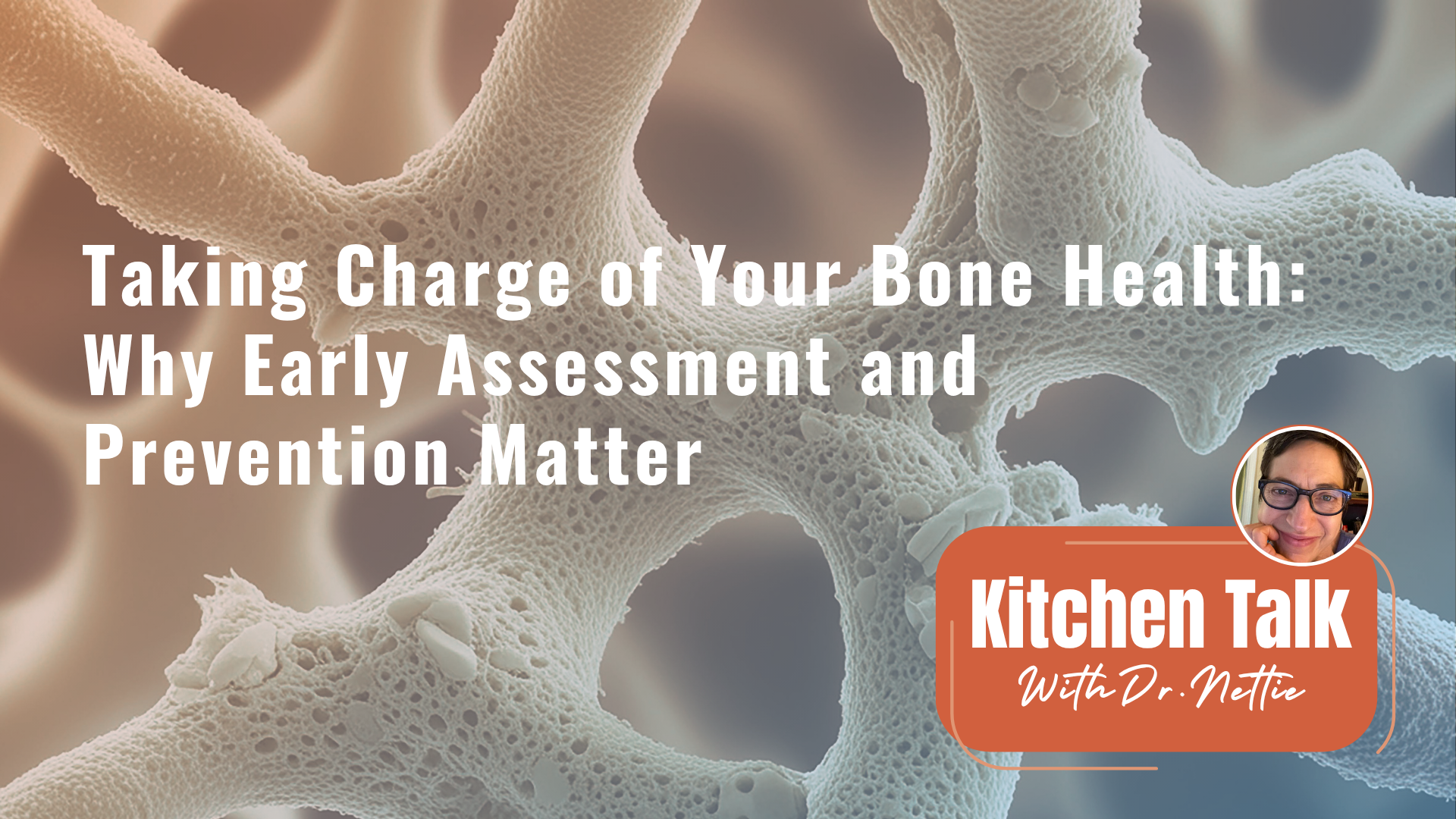
Taking Charge of Your Bone Health: Why Early Assessment and Prevention Matter
Bone health often goes unnoticed until a fracture happens, but the most important window for prevention opens before and during the menopausal transition. Bone loss accelerates dramatically around your final menstrual period, and your bone density entering menopause is the single biggest predictor of future osteoporosis risk. Waiting for the standard age-65 DXA scan means missing the years when intervention matters most. Using DXA, TBS, and FRAX together, we can measure how much bone you have, its quality, and your individual risk, then build a prevention plan that fits you. Men, transgender, and gender-diverse patients face their own bone health considerations too, so let's assess your risk and act early.
Why Do My Cold Symptoms Feel Worse at Night?
Why do cold symptoms often feel worse at night? In this short video, Dr. S explains how your body’s natural rhythms shift during sleep and why that can intensify symptoms like congestion, sore throat, and coughing. As nighttime hormones change, the immune system increases its inflammatory response to help fight infection. While this process supports healing, it can also lead to more noticeable discomfort when you lie down to rest.
Dr. S also shares simple, supportive strategies—including warming socks and garlic-ginger tea—that can help ease symptoms while your body does the important work of recovery.
Staying Active and Uplifted Through the Winter Months
As winter settles in—with its shorter days, damp air, and long evenings—Dr. Nettie invites you to step outside with her, even just for a few minutes. In this quiet walk through a winter evening, she reflects on how our bodies and moods respond to the season, and why gentle movement and time outdoors matter more than we often realize. Winter may call us inward, but it doesn’t ask us to disappear. There is still life, beauty, and vitality in the dark, and our bodies benefit from meeting it—one step, one breath, one small choice at a time. Whether it’s a brief walk, a pause to notice the air on your skin, or simply opening the door and letting the world in, these moments support your health, lift your mood, and remind you that you’re allowed to care for yourself, even when it’s cold and gray. You don’t need to do everything—just start where you are. Every bit of movement counts, and you are worth the effort.
Health Benefits of Dancing
Dancing is a fun and uplifting way to boost your health! It improves flexibility, balance, and heart health, while increasing blood circulation by engaging large muscle groups in rhythmic movement—this helps deliver oxygen and nutrients to tissues, remove waste, and regulate blood pressure. Dancing also boosts energy and mood by releasing endorphins, which relieve pain and promote well-being, and stimulates neurotransmitters like dopamine for motivation and oxytocin for social connection.
Dr. Sacksteder’s Bowl of Life Salad

RECENTLY FEATURED ON NPR’S LIFEKIT PODCAST
Join Dr. S’s mailing list below to receive the recipe! We’ll also keep you informed about classes & workshops, blog posts, and wellness information from Dr. Sacksteder.

PODCAST WILL BE POSTED TO THIS WEBSITE SOON!